
[ad_1]
Malt is made from barley and was originally a primary ingredient in beer (malt-based beers are some of the only ones I’ll drink – I prefer them to hops-fermented ones), and later whiskey. Barley is partially sprouted and then dried and ground to create malt. In the 19th century it also became an industrial baking product, helping to give sweetness and a nice crust to breads. But in the 1870s, British pharmacist James Horlicks was trying to come up with an alternative food to raw milk for infants and a nutritional supplement for invalids. Milk at the time was rarely pasteurized and could often infect children with diseases. Lacking funds, he emigrated to Racine, Wisconsin, where his younger brother already lived. By the 1880s the brothers had patented a fortified gruel that they dried and ground, containing malted barley, ground grains, and dried milk. Developed as a water-soluble food for infants, it was quickly adopted in both tropical climates and polar expeditions for its shelf stability, palatability, and nutritional content. Horlick’s brand malted milk became the industry standard and was adopted by the Temperance movement as well, showing up in soda fountains and in ice creams.
In 1927, Carnation launched its own brand of malted milk and soon chocolate options were available on the market as well. Ovaltine, a malted milk powder that originally also contained eggs, was developed in Switzerland in the 1900s (originally with the name “Ovomaltine”). By the time we get to White Christmas in 1954, malted milkshakes, including chocolate malts, were a fixture of diners and soda fountains (and, apparently, trains) everywhere.
Today, Carnation is one of the few malted milk powders widely available, and that’s what I used. They also had a recipe for malted milkshakes right on the back of the container.
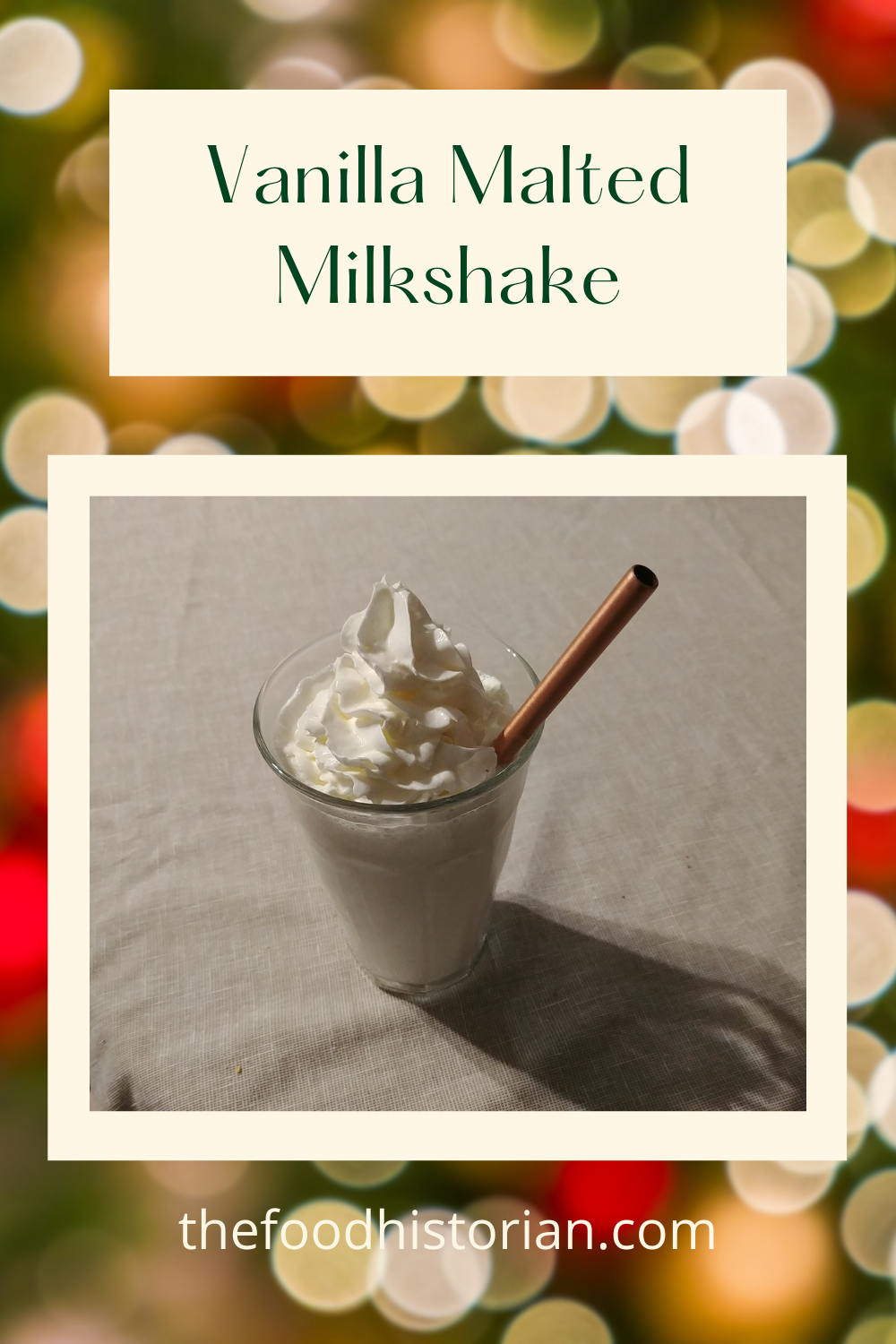
Vanilla Malted Milkshakes
2 scoops vanilla ice cream
3/4 cup whole milk
teaspoon vanilla extract
3 tablespoons malted milk powder
Place all ingredients in a blender and blend until smooth.
This did make a very good milkshake – the ratio of ice cream to milk was just about perfect. Although it was maybe a little more liquidy than I like, it didn’t get ice crystals, as you sometimes do with homemade milkshakes. That being said, three tablespoons of malted milk powder is a LOT, and resulted in a very strong malted milk flavor. If you’re unsure of how fond you are of malted milk, I would cut it down to two tablespoons.
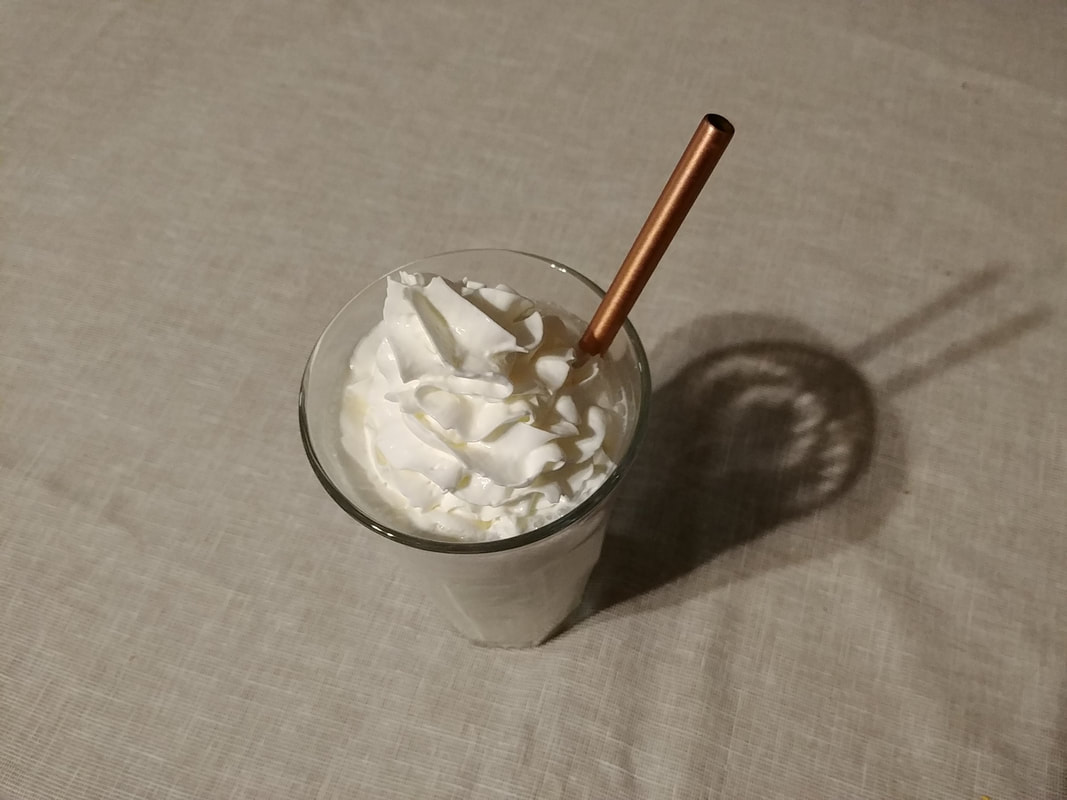
This makes about 12-16 ounces, so make sure to pour it into a tall glass and top it with whipped cream.
During World War II, maple syrup was touted as a sugar alternative and throughout history it has generally been less expensive than refined white sugar. Not so today, when a quart of maple syrup ranges in price from $15-$25, depending on where you are (which means a cup averages about $5). If you’d rather not “waste” a whole cup of maple syrup on a cake, feel free to use a different gingerbread recipe (may I recommend New York Gingerbread?).
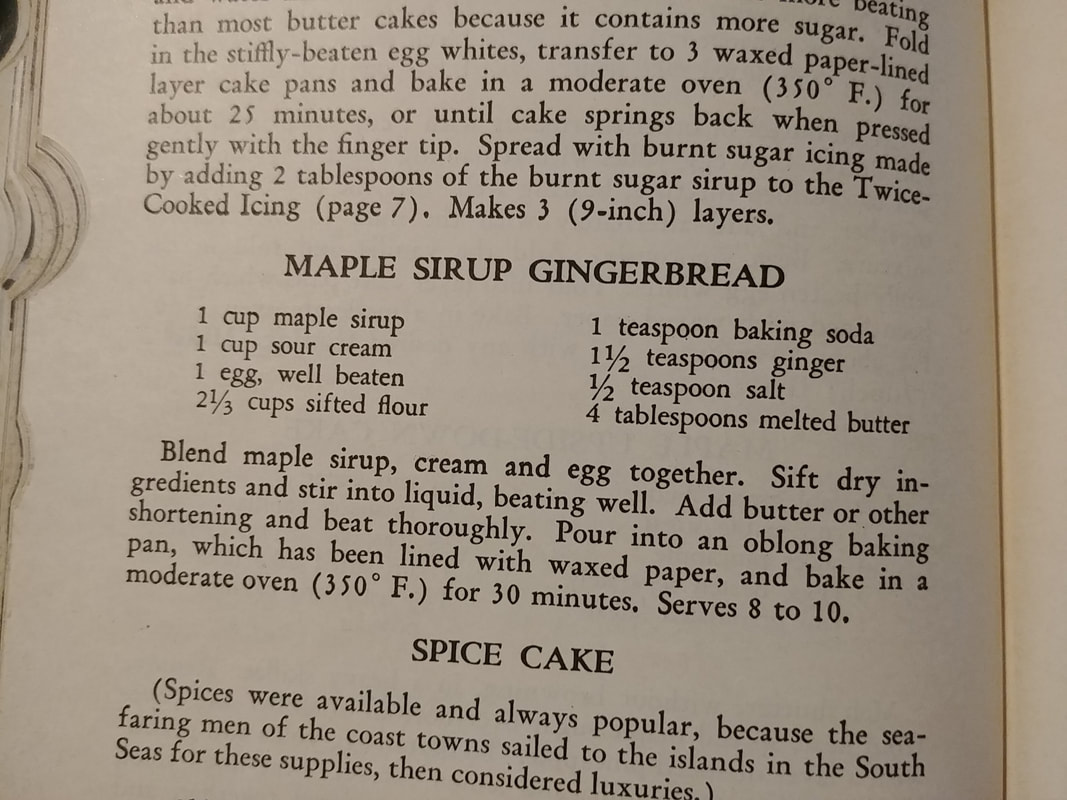
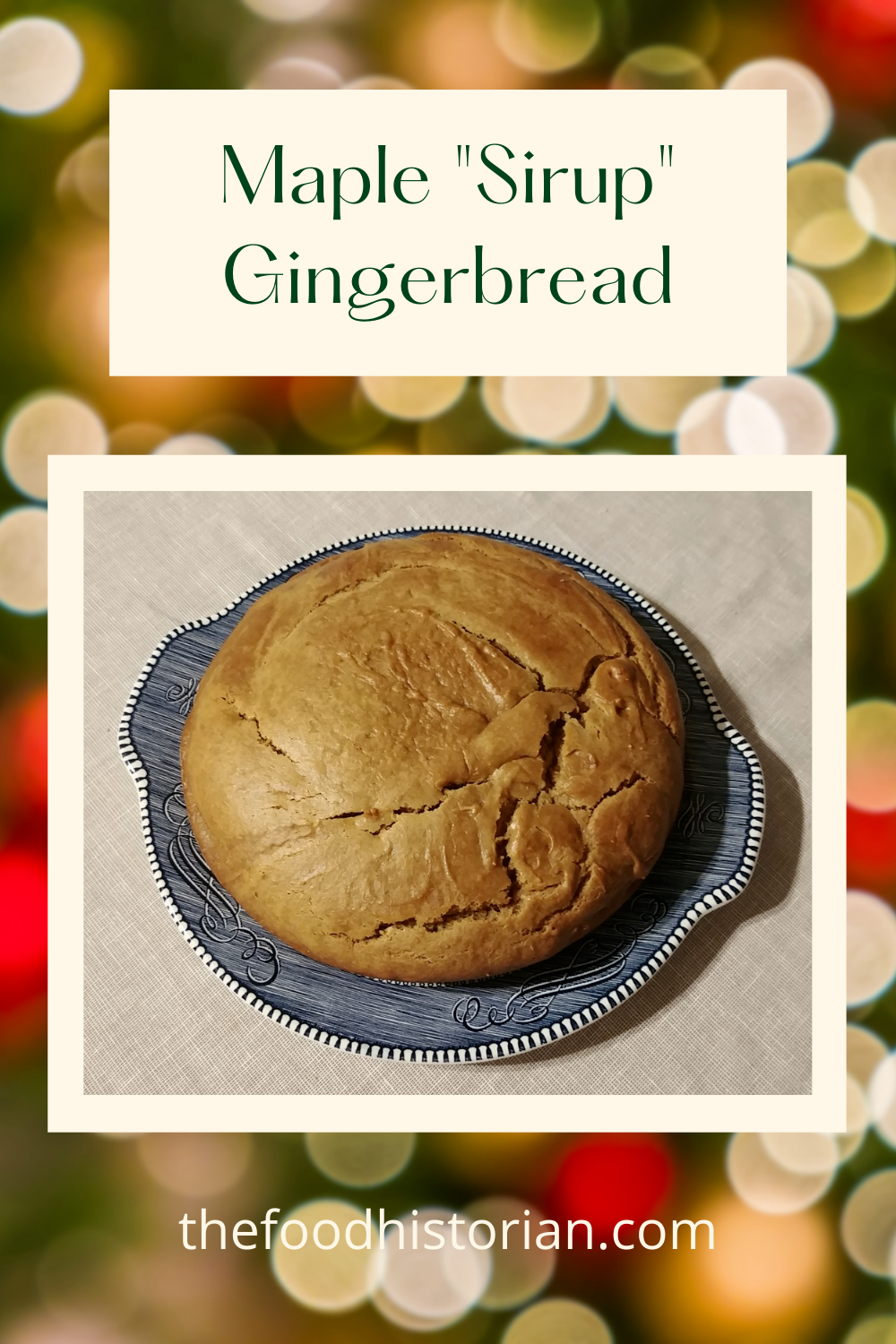
Maple Sirup Gingerbread (1947)
1 cup maple syrup
1 cup sour cream
1 egg, well beaten (you don’t actually have to beat the egg in advance)
2 1/3 cups sifted flour (ditto sifting)
1 teaspoon baking soda
1 1/2 teaspoons ginger
1/2 teaspoon salt
4 tablespoons melted butter (1/2 a stick)
Blend maple syrup, sour cream, and egg together until smooth. Add dry ingredients and whisk into the liquid ingredients, making sure to stir well. Add butter and beat thoroughly. Pour into greased ROUND cake pan and bake at 350 F for 30-40 minutes, or until the center of the cake springs back to the touch. Loosen the edges and tip out the pan to cool on a rack. Serve warm or cold with plenty of whipped cream.
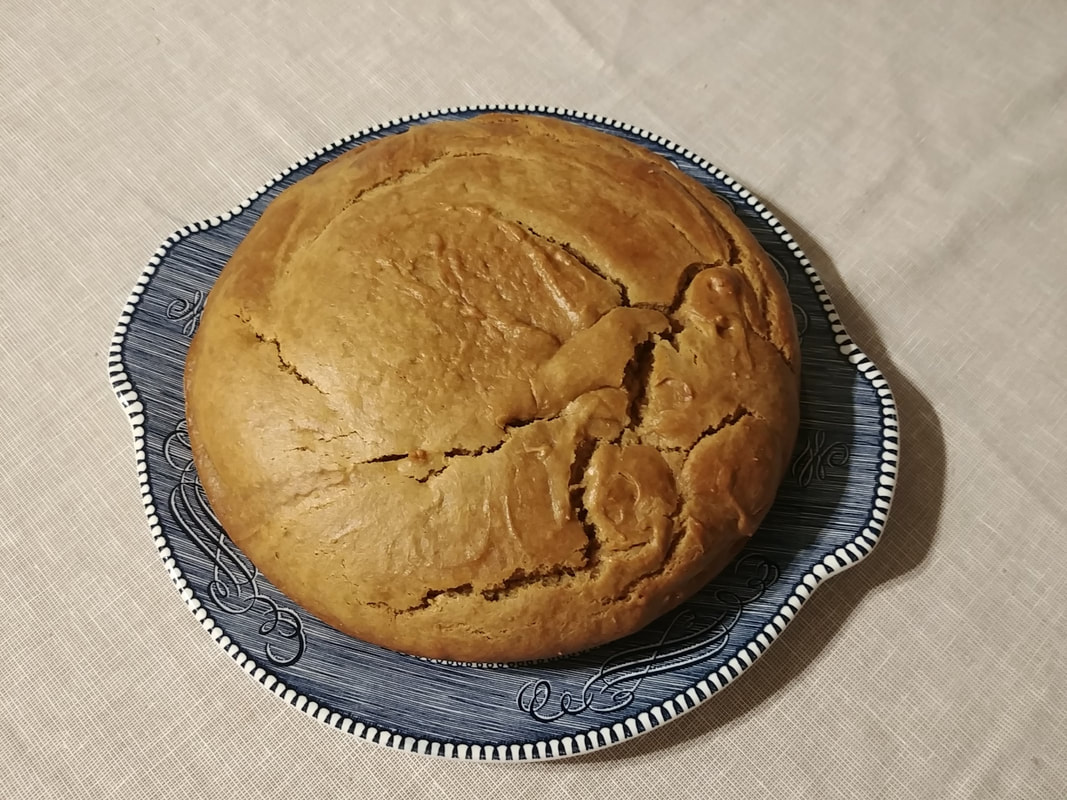
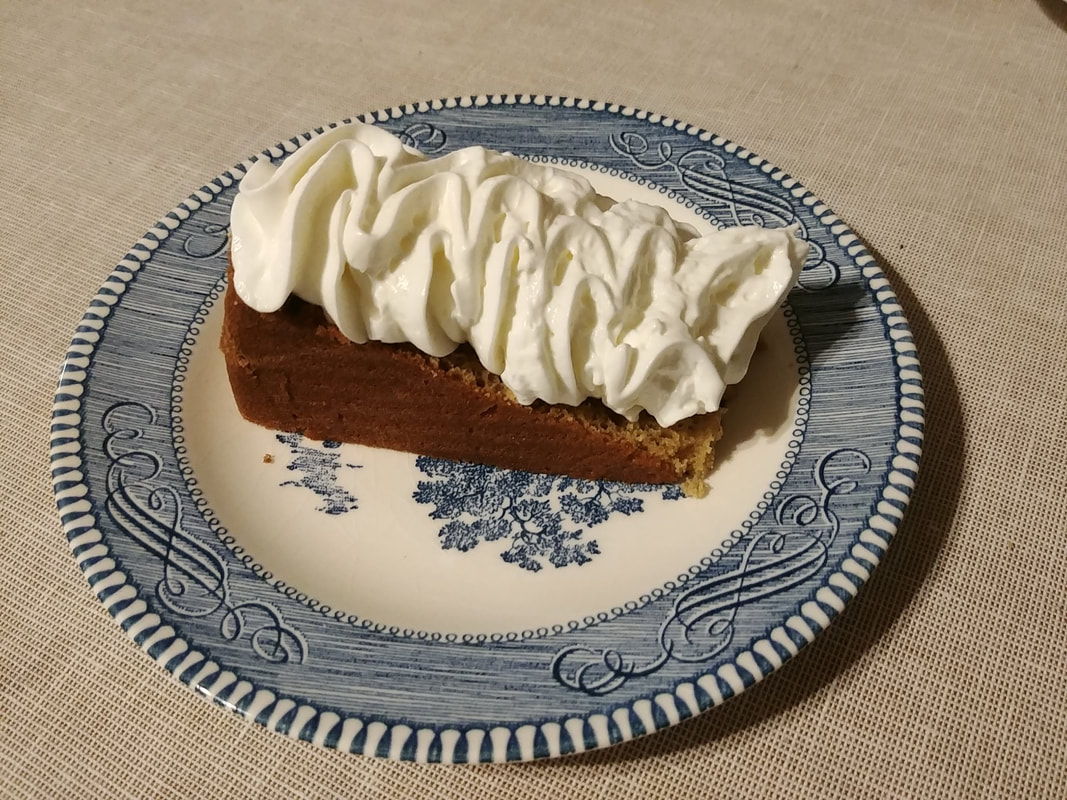
So what do you think? Does Maple Sirup Gingerbread go with White Christmas (1954)? Let me know in the comments! And be sure to follow the White Christmas tag or visit the original menu post for the rest of the White Christmas Dinner and a Movie menu.
Want to see more Dinner and a Movie posts? Make a request or drop your suggestions in the comments!
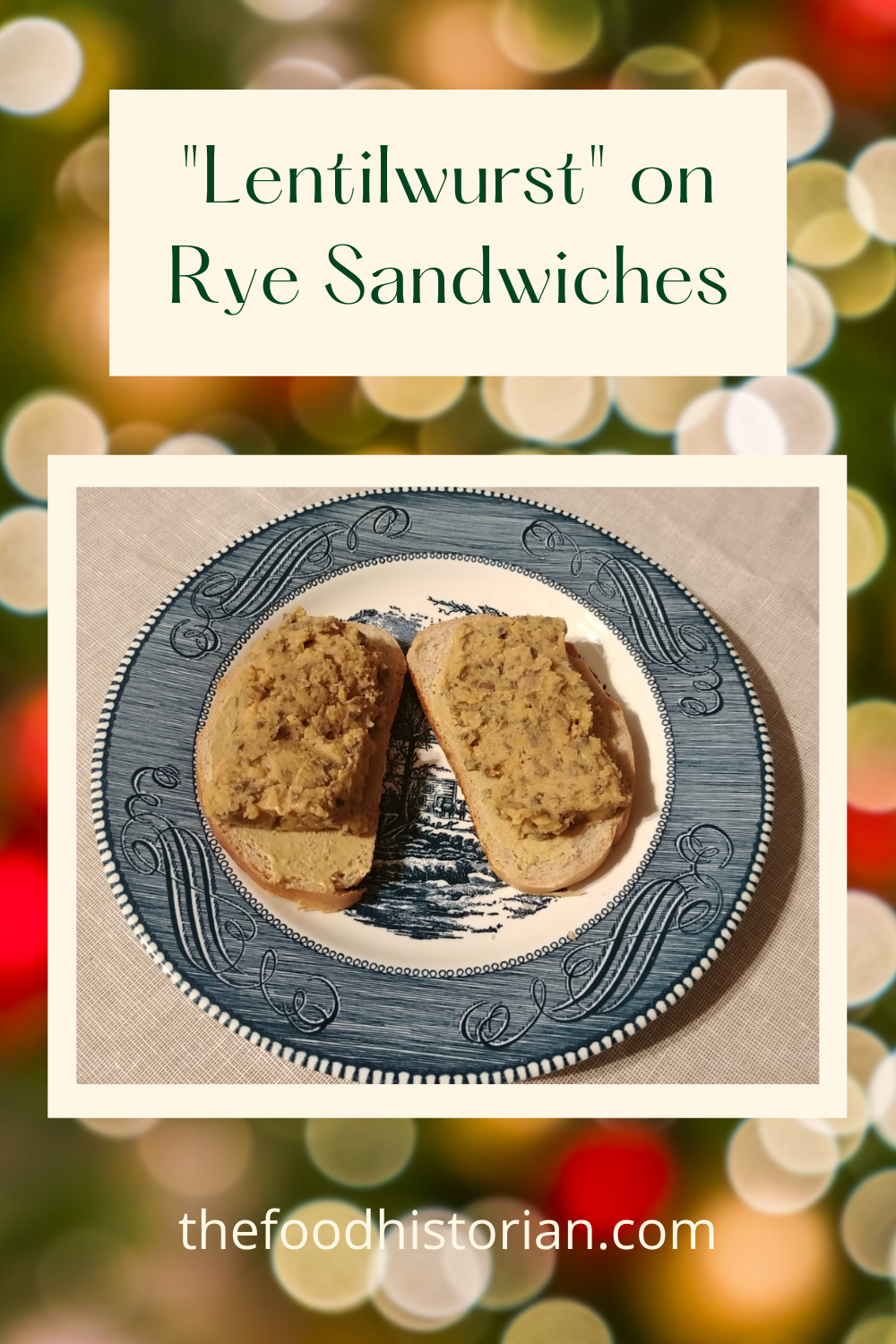
I’ll be honest – I’ve never had liverwurst. Some people love it, some people hate it. Maybe someday I’ll try it, but my vegetarian friend saved the day. The phrase “lentilwurst” popped into my mind and I decided to run with it.
This recipe is the only one that isn’t based on a historical recipe (for obvious reasons), but lentils were around in the 1950s and were used as a vegetarian substitute for meat. This recipe also takes after slightly the infamous vegetarian bean loaves and nut loaves of the late 19th and early 20th century. In fact, one of the recipes I considered for the menu was “Boston Roast,” which is a take on meat loaf, only made with beans (hence Boston) instead.
I based my recipe loosely on this one, but with a few tweaks of my own. Here’s my version, which you could easily make vegan by using olive oil or butter substitute, and vegan mayonnaise.
Lentilwurst (a.k.a. Vegetarian Liverwurst)
1 1/2 cups water
1/4 cup butter (half a stick)
1 pint baby bella mushrooms
1 teaspoon dried sage (not ground – use 1/2 teaspoon if using ground)
1 teaspoon smoked paprika
1/2 teaspoon ground ginger
1/2 teaspoon ground mace (can use nutmeg instead)
1/2 teaspoon black pepper
1/2 teaspoon onion salt
2 heaping tablespoons mayonnaise
Rye bread
Dijon mustard
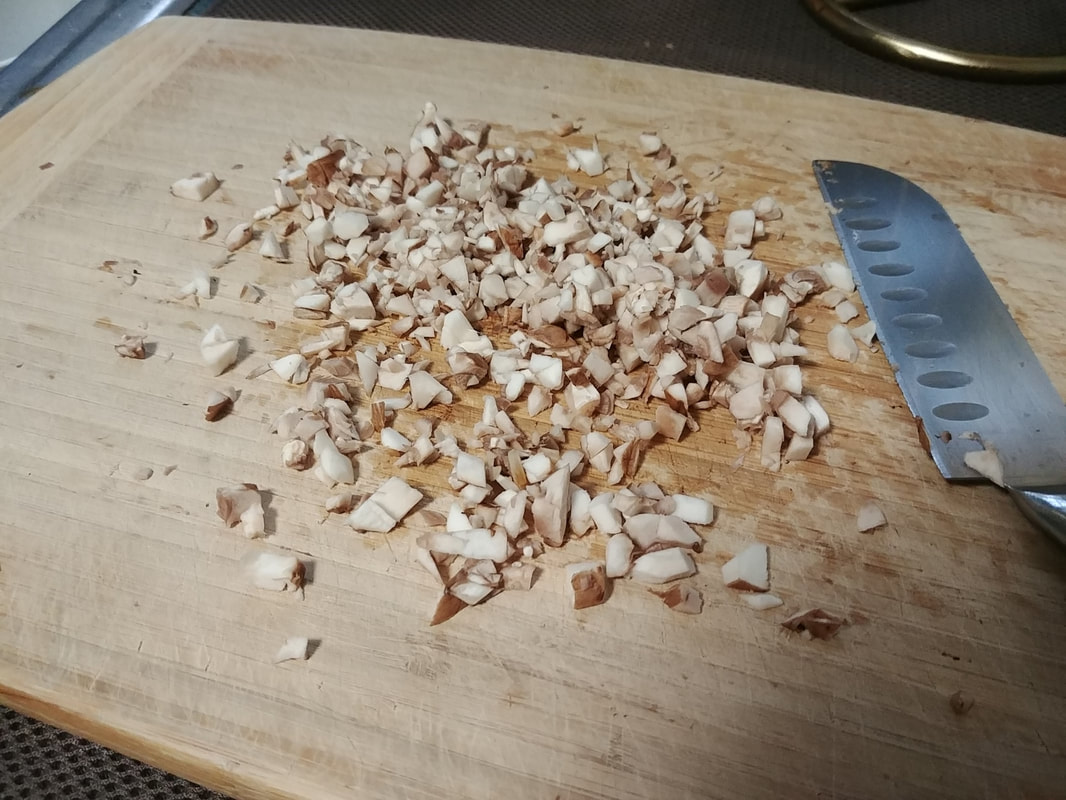
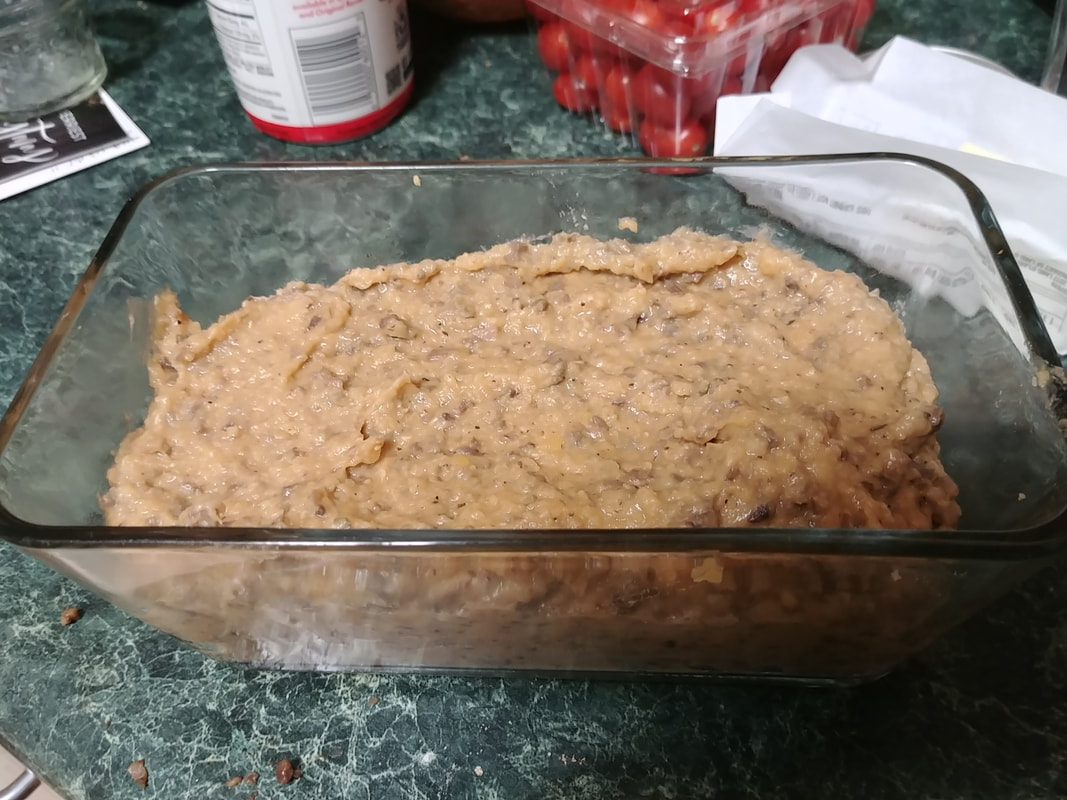
In a 2 quart saucepan, bring lentils and water to a boil, then reduce heat and cook until lentils are very soft and have absorbed all water (watch out for boiling over and stir occasionally). Meanwhile, clean and finely mince mushrooms. When the lentils are done, remove to a glass dish to cool. Wash the same saucepan and add the butter and spices. When butter is melted, add mushrooms and cook over medium to medium-low heat until the juices and butter are largely reduced. Mix mushrooms, lentils, and mayonnaise until well combined. Chill in a glass container in the fridge. When ready to serve, slice or spread onto rye bread that has been thinly spread with mustard. Eat open faced or closed.
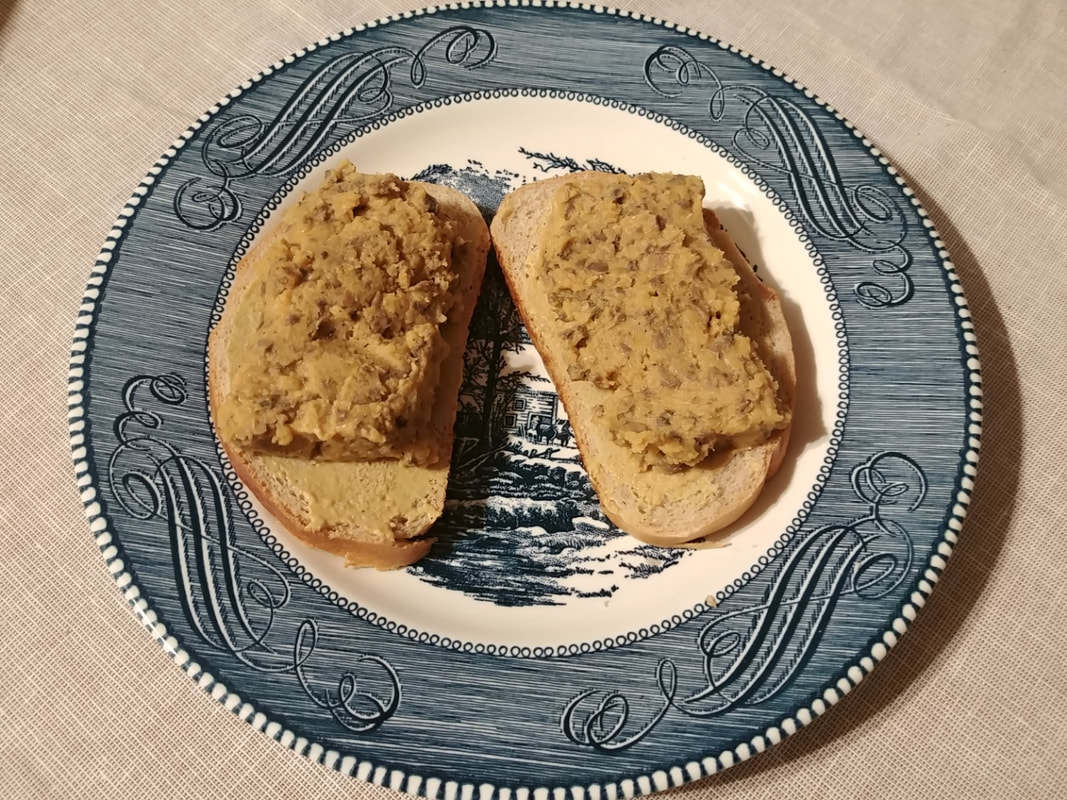
Do you think lentilwurst goes with White Christmas (1954)? Let me know in the comments! And be sure to follow the White Christmas tag or visit the original menu post for the rest of the White Christmas Dinner and a Movie menu.
Want to see more Dinner and a Movie posts? Make a request or drop your suggestions in the comments!
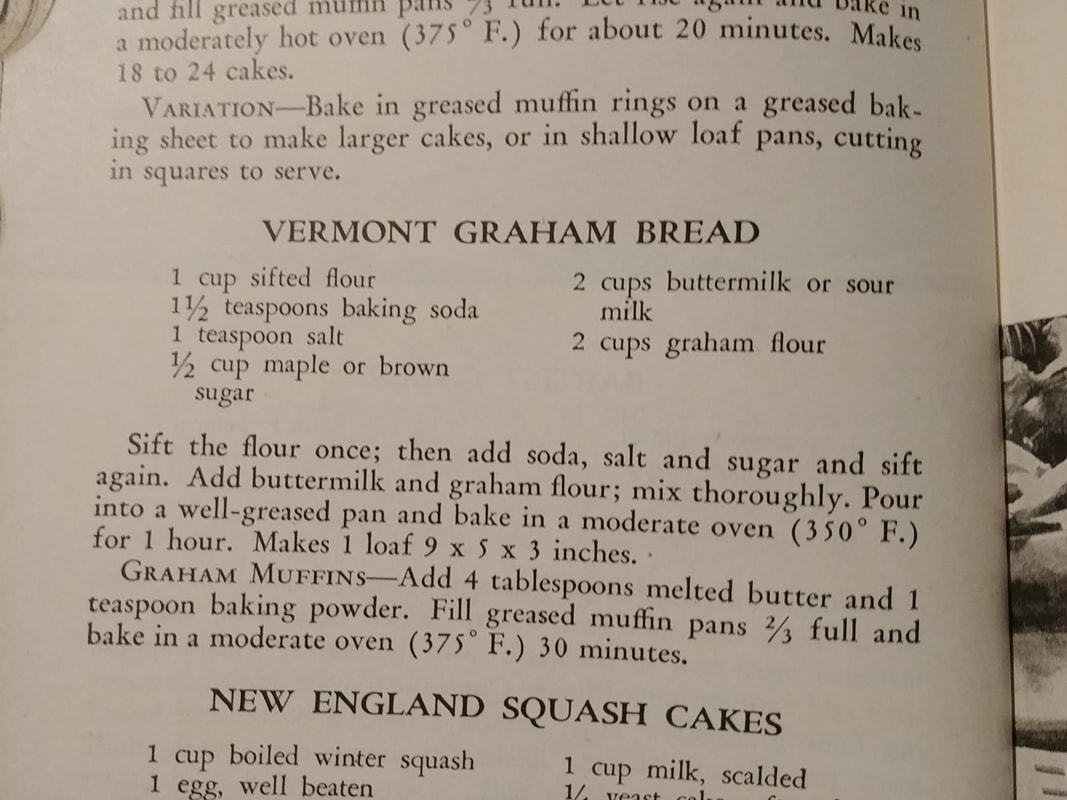
I wanted something to go nicely with the Vermont Parsnip Chowder, so I thought Vermont Graham Muffins would do very well, indeed. Graham flour is entire wheat flour (not to be confused with regular whole wheat flour, which is usually just white flour with some of the wheat germ added back in). Named after 19th century health reformer Sylvester Graham, it was one of the only parts of his largely unpalatable health and religious reforms, many of which were later adopted by Seventh Day Adventist prophet Ellen G. White and even later by John Harvey Kellogg, that was widely accepted by the general public. Graham pudding, graham gems, graham bread, graham muffins and eventually, yes, graham crackers (which would have appalled Sylvester), were all prevalent in cookbooks throughout the 19th and into the 20th century. And Kellogg used graham flour in his “Granula” cereal.
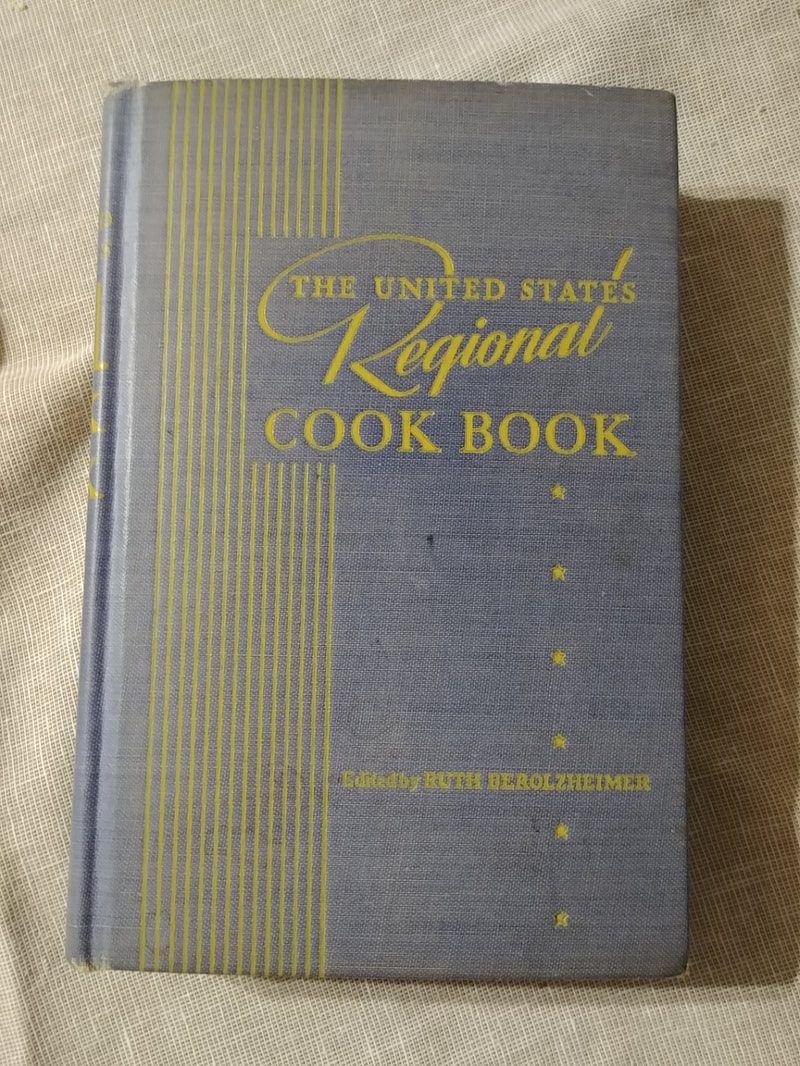
Graham flour came to be widely associated with New England in the late 19th and early 20th centuries. This particular recipe I found in the absolutely delightful The United States Regional Cook Book, edited by Ruth Berolzheimer. My edition was published in 1947. It has a whole section on New England foods (among others), and “Vermont Graham Bread” is included in the chapter, “Breads, Quick Breads, and Pancakes.”
Vermont Graham (or Rye) Muffins
This is my take on the original recipe, with the listed additions for muffins.
1 cup all-purpose flour
1 1/2 teaspoons baking soda
1 teaspoon baking powder
1 teaspoon salt
1/2 cup packed brown sugar (feel free to use less)
2 cups buttermilk
2 cups graham flour (or rye)
4 tablespoons butter, melted (half a stick)
Preheat the oven to 375 F. Grease a standard muffin tin.
Whisk together the all-purpose flour, graham flour, baking soda and powder, salt, and brown sugar until well combined (try not to leave any brown sugar lumps, but don’t worry if you do). Stir in the buttermilk and melted butter. Spoon into muffin tins (makes a dozen) and bake 30 minutes, or until muffins are golden brown and spring back to the touch. Remove from tins and cool on a wire rack. Serve warm with plenty of butter.
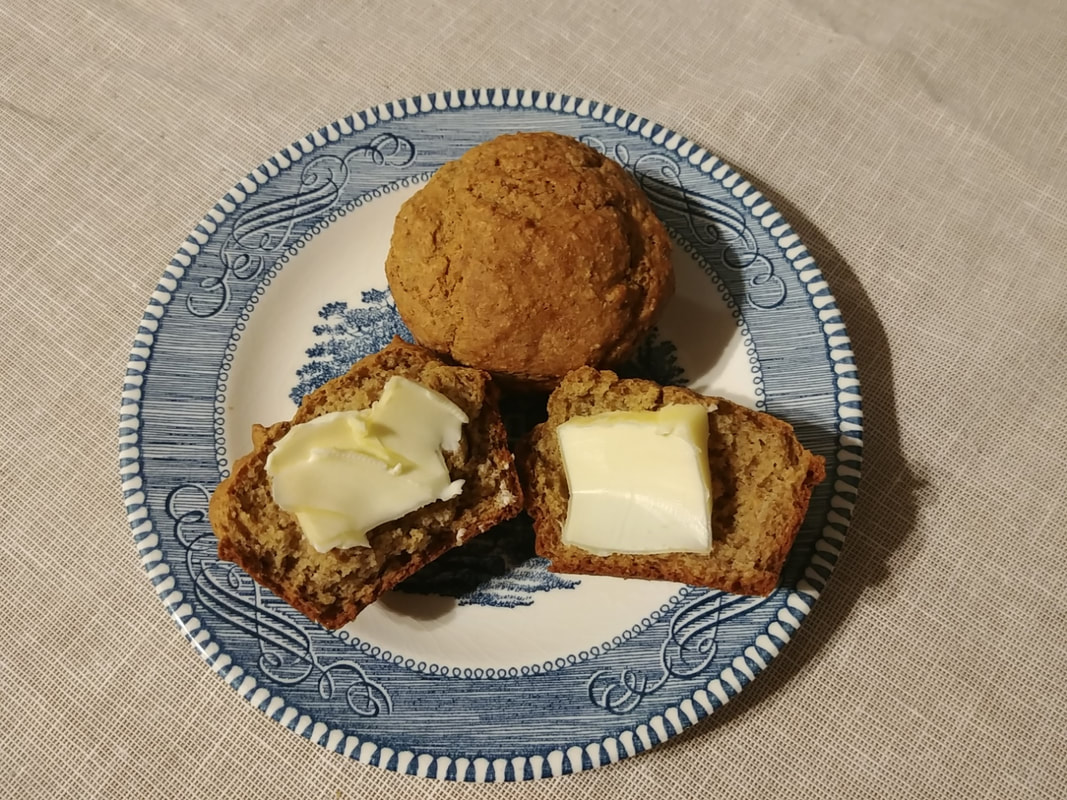
Do you think graham muffins go with White Christmas (1954)? Let me know in the comments! And be sure to follow the White Christmas tag or visit the original menu post for the rest of the White Christmas Dinner and a Movie menu.
Want to see more Dinner and a Movie posts? Make a request or drop your suggestions in the comments!
Clam chowder is, of course, quintessentially New England, which seemed appropriate given that our Fabulous Quartet were headed to Vermont for the winter holiday. And clam chowder is one of my husband’s favorites, but I’m allergic to shellfish. This recipe for Parsnip Chowder is attributed to Vermont, which makes sense given that that great state does not border the ocean. And since parsnips are a delightful, if underutilized, vegetable, I thought I would give this chowder a go. Because our friend is vegetarian, I did end up making a few changes.
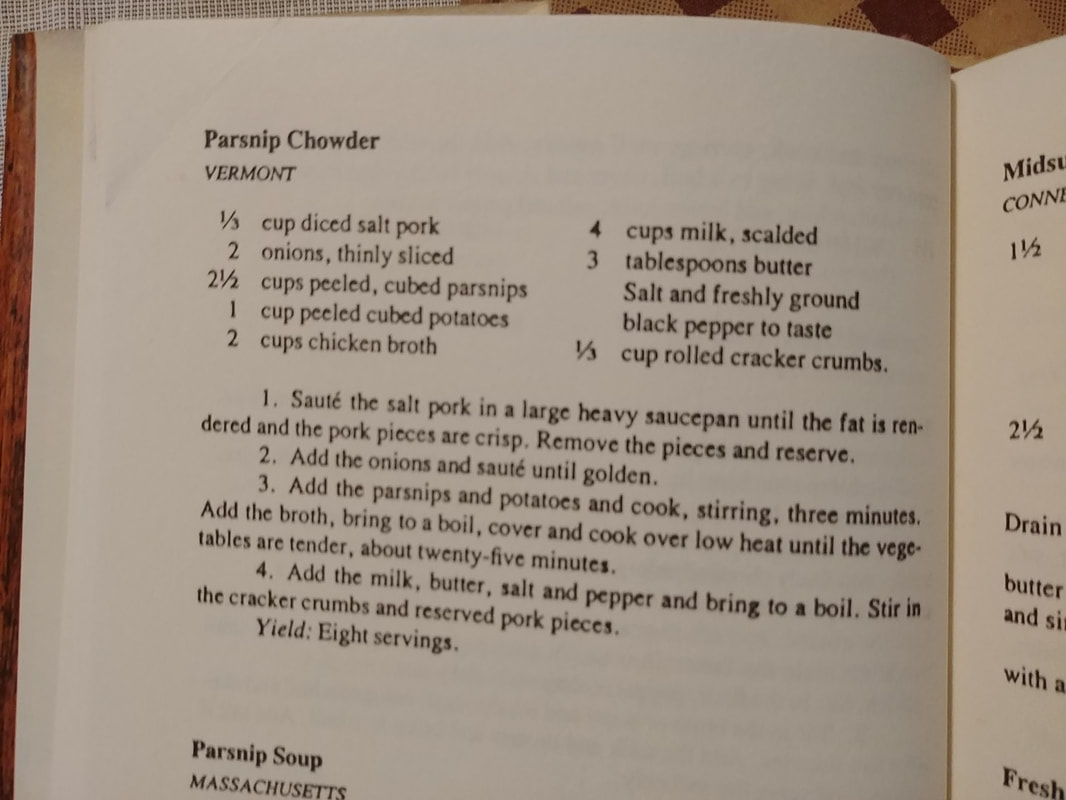
Vermont Parsnip Chowder (1977)
1/3 cup diced salt pork
2 onions, thinly sliced
2 1/2 cups peeled, cubed parsnips
1 cup peeled, cubed potatoes
2 cups chicken broth
4 cups milk, scalded
3 tablespoons butter
salt and freshly ground black pepper to taste
1/3 cup rolled cracker crumbs
1. Sauté the salt pork in a large, heavy saucepan until the fat is rendered and the pork pieces are crisp. Remove the pieces and reserve.
2. Add the onions and sauté until golden.
3. Add the potatoes and parsnips and cook, stirring, three minutes. Add the broth, bring to a boil, cover, and cook over low heat until the vegetables are tender, about twenty-five minutes.
4. Add the milk, butter, and salt and pepper and bring to a boil. Stir in the cracker crumbs and reserved pork pieces.
Yield: Eight servings.
Okay, so, I did not make many changes, but I did make a few substantial ones, which I think turned out quite nicely. Here are my changes:
1/4 cup olive oil (or half a stick of butter)
1 tablespoon smoked paprika
2 onions, sliced
4 cups parsnips, peeled and cubed (about 3 large parsnips)
2 cups red potatoes, cubed (about 3 smallish ones, and I like the peel for texture)
3 cups water
1 cup heavy cream
3 cups whole milk
garlic salt
black pepper
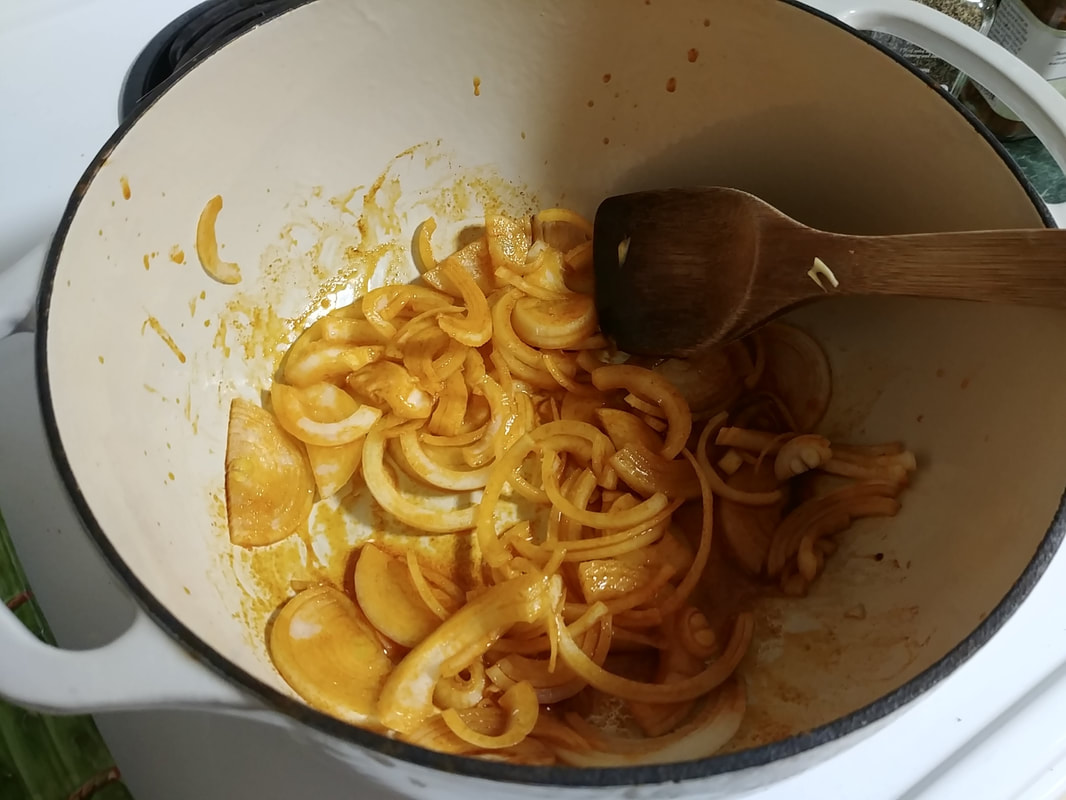
In a large pot over medium heat, bloom the paprika in the olive oil, then add the onions and sauté until tender. Add the parsnips and potatoes and stir to coat. Let cook until slightly browned in spots. Add the water and bring to a boil, then reduce heat and simmer, covered, until the vegetables are fork-tender. Add the heavy cream, milk, garlic salt, and pepper, and simmer, cover off, until the chowder thickens. Taste and add more salt if necessary. The parsnips and onions make it quite sweet.
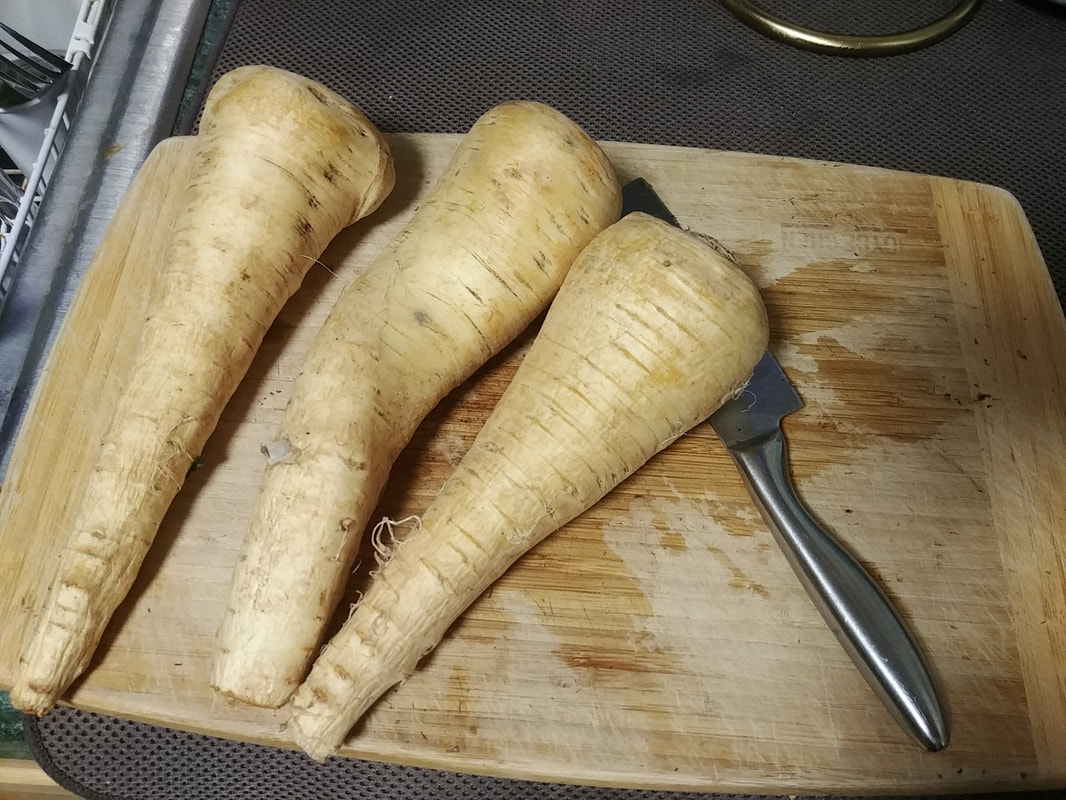
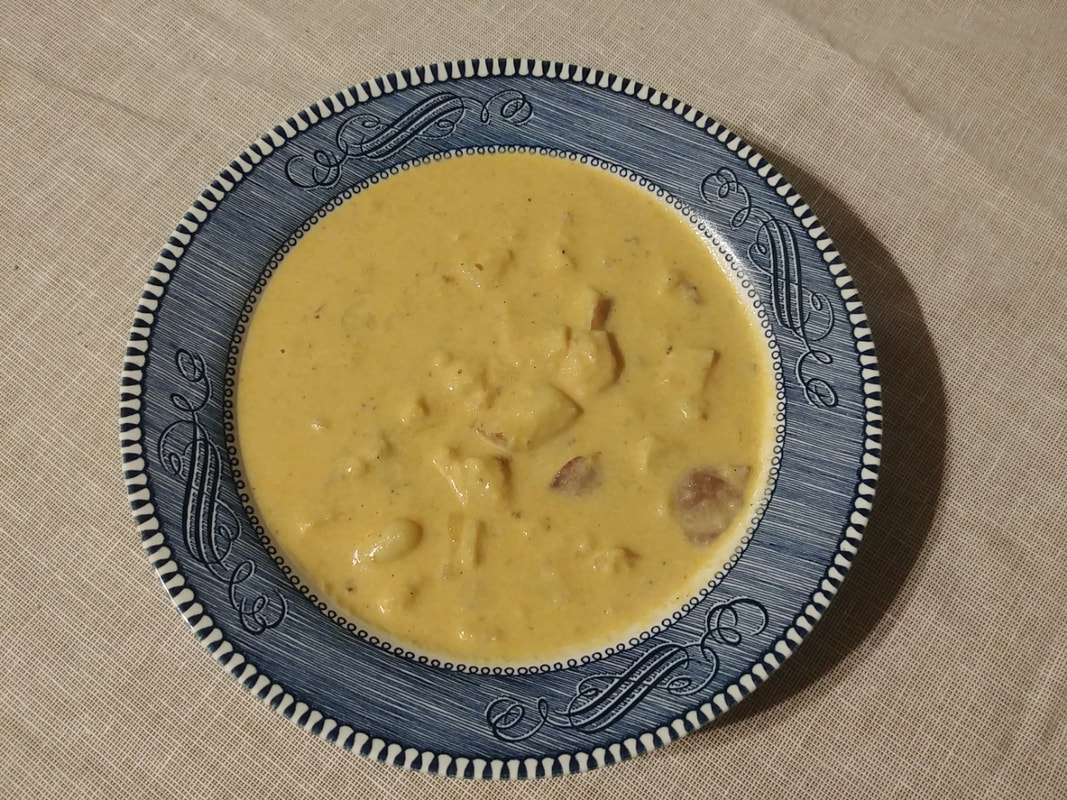
The chowder turned out beautifully – a thick, creamy texture with tender bits of parsnip and potatoes (the onions basically melted into the cream) and a lovely golden color. The cream really thickens the chowder up without the addition of crackers (although you could add saltines or oyster crackers if you want). We ate up the leftovers pretty quickly, and in some ways it was better the next day.
Want to see more Dinner and a Movie posts? Make a request or drop your suggestions in the comments!
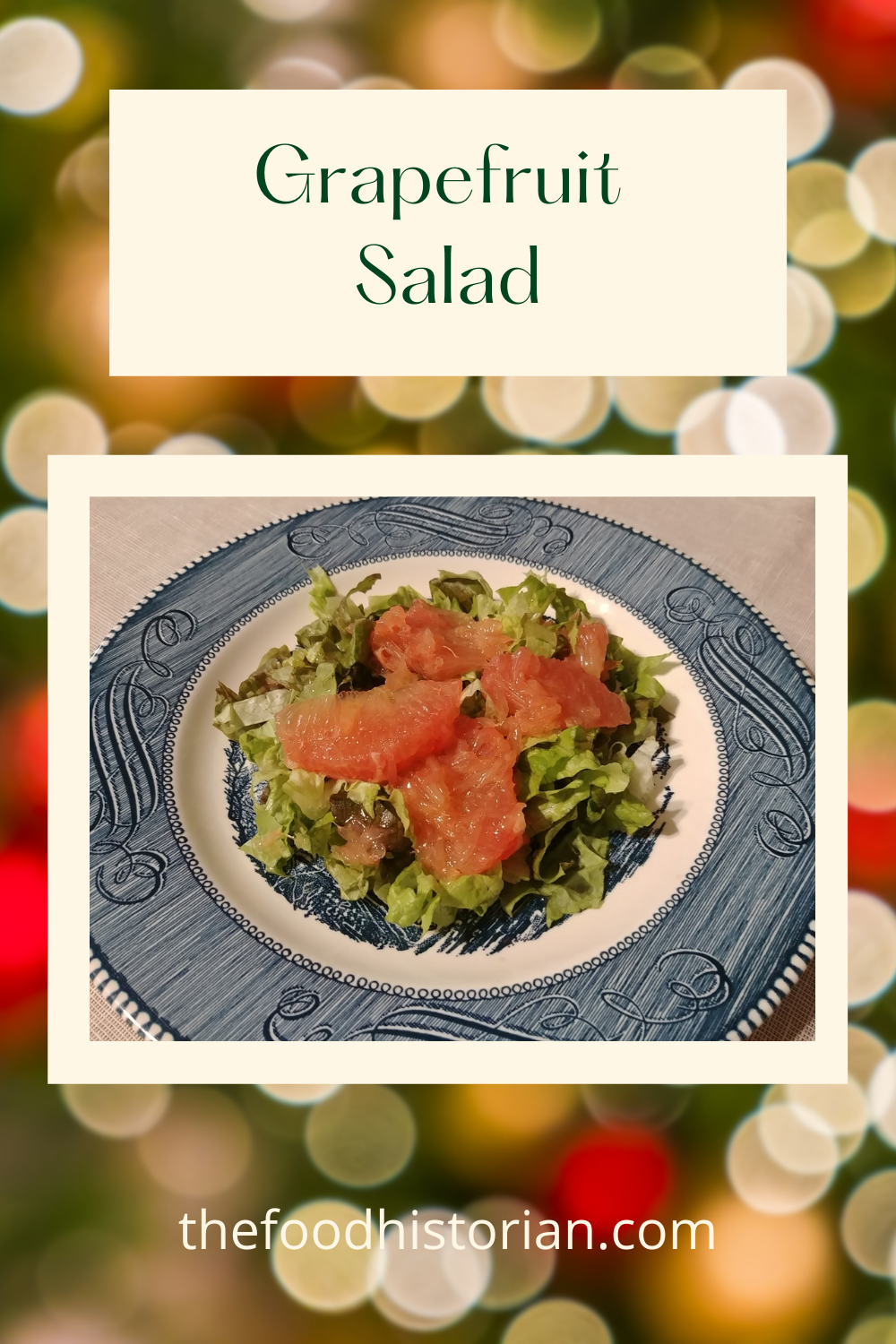
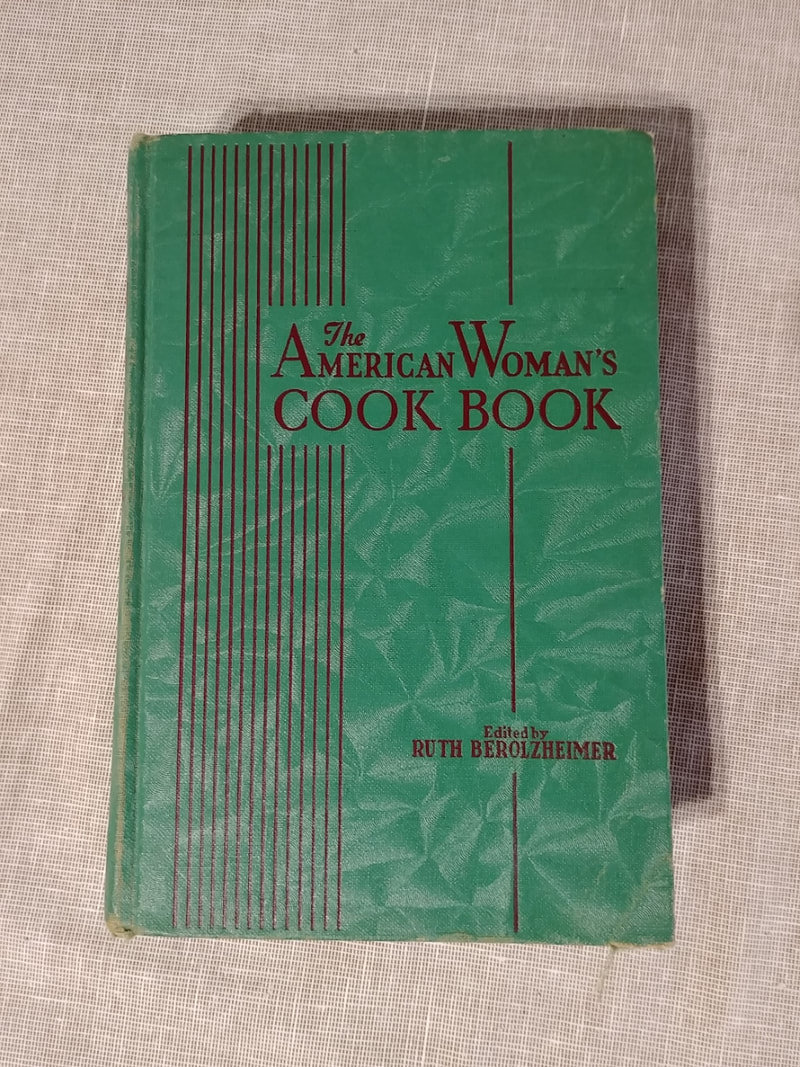
So, in a movie that doesn’t QUITE make Hollywood and California the star, but which definitely “visits” the tropics through the tropical nightclub in Florida, grapefruit seemed like a natural addition to the menu. This particular one is quite a simple recipe, from my 1942 edition of the American Woman’s Cook Book by Ruth Berolzheimer, an extremely popular cookbook that was in print from 1938 through the 1960s.
Grapefruit Salad (1942)
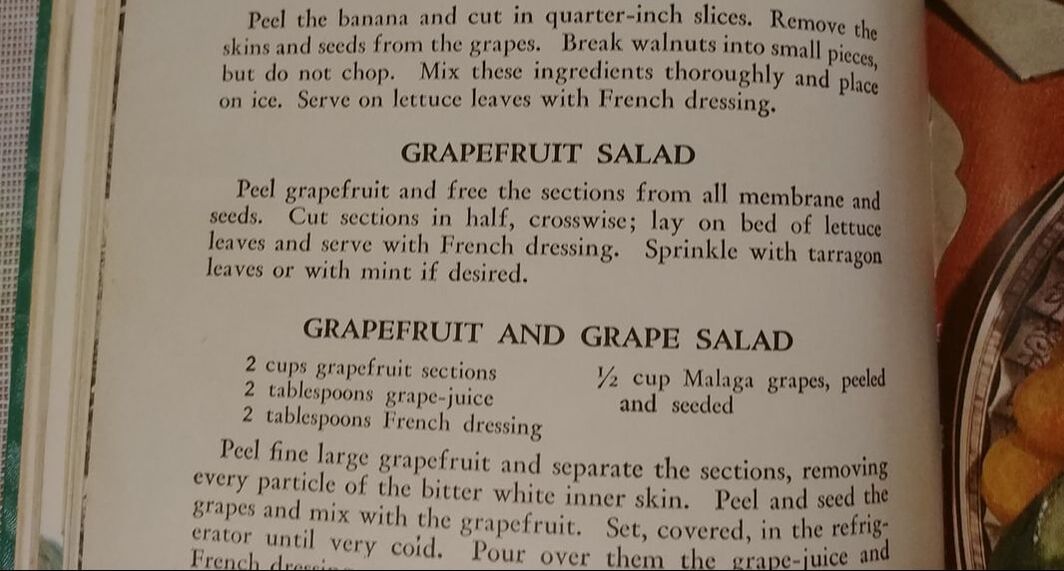
“Peel grapefruit and free the sections from all membrane and seeds. Cut sections in half, crosswise; lay on a bed of lettuce leaves and serve with French dressing. Sprinkle with tarragon leaves or with mint if desired.”
Supreming citrus (which is the official term for peeling and freeing citrus from the membrane) is extremely time-consuming work and doesn’t always turn out how you’d like. Which is why if you’d rather use modern canned grapefruit, please feel free. The French dressing referred to in this recipe is NOT the modern, gloppy red stuff. It is, in fact, code for vinaigrette. I made my own, in my adaptation of the recipe, below. There’s even a little maple syrup, to New England things up a bit.
1 large pink grapefruit for every two people
2 tablespoons olive oil
1 tablespoon maple syrup (optional)
1 tablespoon Dijon mustard
thinly sliced red leaf lettuce
Peel the grapefruit with a sharp knife over a small bowl to catch the juice. Using the knife, carefully cut each section away from the membrane on either side and cautiously remove, trying to keep the section intact. When done, squeeze the remaining pulp for juice into the bowl.
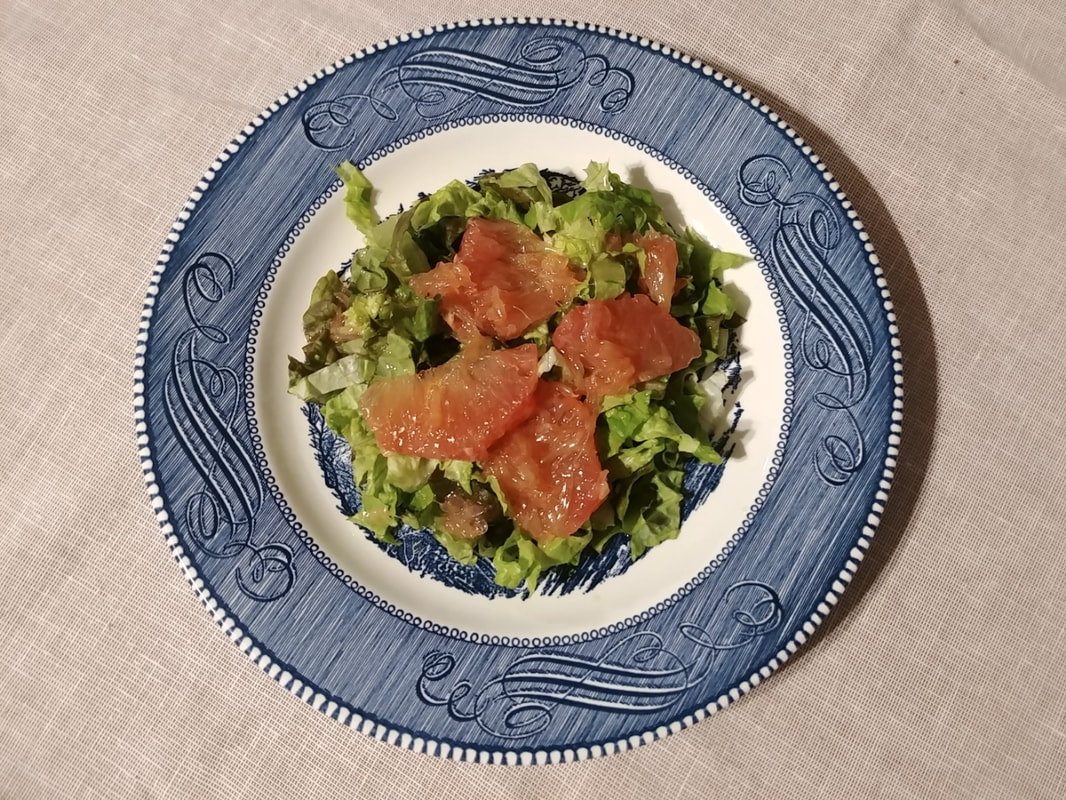
Arrange the lettuce on each plate, then add the sections (you can cut them in half, or not). If you get 8 intact sections, you’re doing better than I did. With a fork, mash up any remaining pulp into the juice (fish out any seeds), then add the olive oil, maple syrup, and Dijon mustard and whisk with the fork to combine. Pour the dressing over the sections and lettuce and serve.
Want to see more Dinner and a Movie posts? Make a request or drop your suggestions in the comments!

So when a friend, who had never seen White Christmas, suggested I make a dinner menu to go along with the film, I couldn’t resist. She knew I’d done similar menus before (Star Wars and The Hobbit, respectively, both birthday parties I threw myself), but this one was fun because I could delve into all my vintage cookbooks for ideas.
Now, there are a few foods mentioned or shown in the film. One of the first (and best) is the scene in the club car on the way to Vermont. Mentioned or shown foods include:
- club sandwiches
- popcorn (on the bar)
- lemonade
- malteds (like a malted milkshake)
- hot buttered rum
- coffee
You can see for yourself in this clip:
- buttermilk
- ham and cheese on rye
- turkey sandwich
- liverwurst
There was an added hiccup in all this menu planning – the friend in question is vegetarian. So guess what? A lot of that list is out the window! But I relish a good challenge, so I took to my cookbooks and got thinking. And here’s what I came up with:
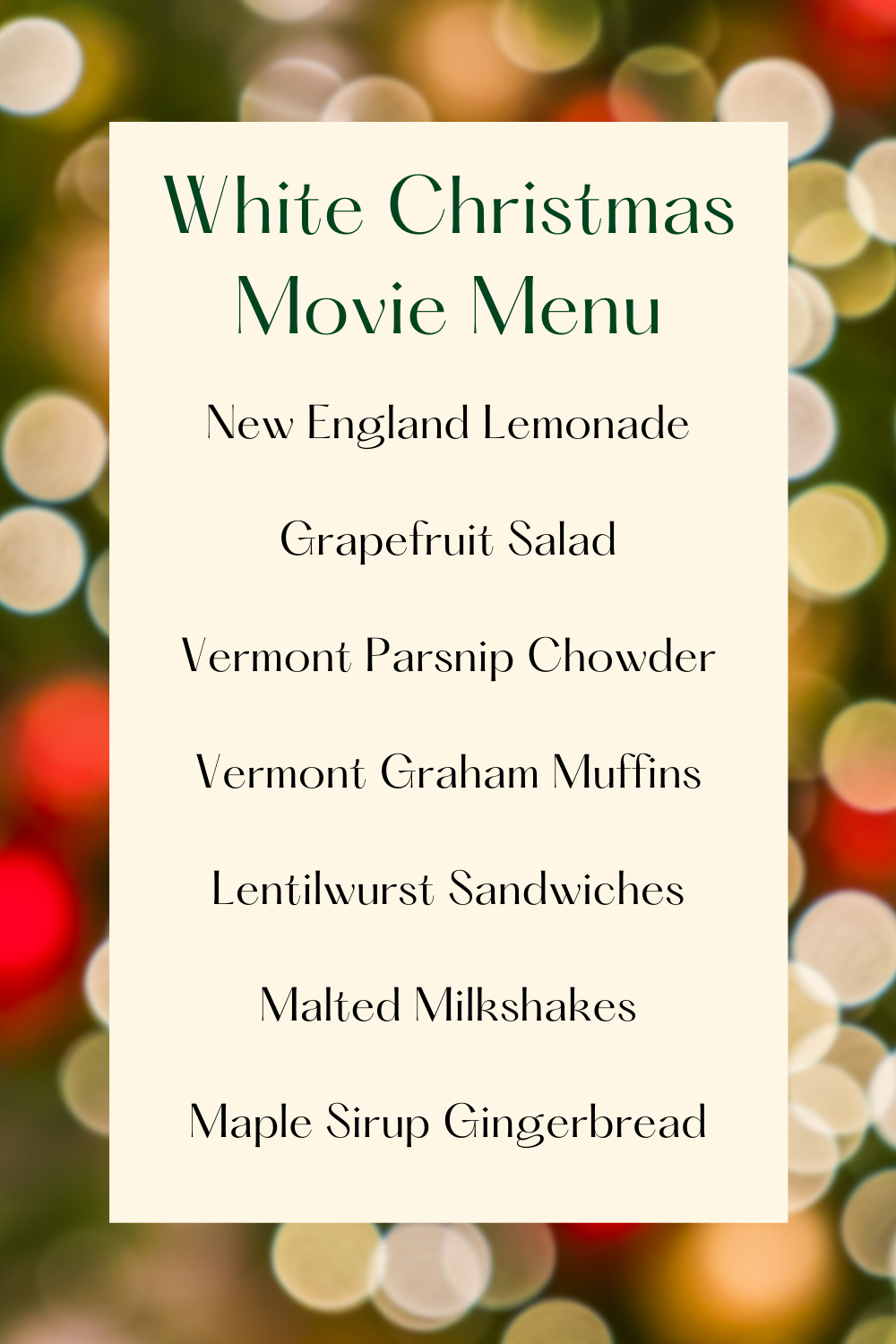
Here’s the menu:
No, those aren’t typos – “lentilwurst” is what I call vegetarian liverwurst and while everything was good, that was the surprise hit of the night. I wish I had made a double batch because it was gone almost instantly. Maple Sirup (also not a typo – that’s how they spelled it in the cookbook) Gingerbread was another delightful (if rather expensive) hit. Thankfully, we did not eat the whole cake in one sitting, although two days later we’re down to the last piece.
In an effort to spare you from the world’s longest blog post, I’m going to be posting the recipes each day this week (probably more than one per day) as their own blog posts. Don’t worry – I’ll link them back here as they’re posted so you can always find everything in one spot. You should get the whole menu before the weekend – just in time to plan a White Christmas Dinner and a Movie of your own! Happy eating!
Want to see more Dinner and a Movie posts? Make a request or drop your suggestions in the comments!


